

Welcome to the R&D leadership blog
This blog is both for those who are beginning their adventure in managing R&D teams and for those who want to share their thoughts, experiences and perhaps the tools they use in their daily work.
Does the industry you work in matter? I feel that the industry is of secondary importance, as long as the topics are about team building, collaboration, finding new ways to build a creative place and working conditions.
About articles
The articles posted here, deal with various aspects of a team leader’s work both from the perspective of the team they manage, but also the organization they support and report to.
I encourage you to comment on them, ask questions and have an open discussion that supports the development of our leadership competencies.
The articles are rather short, so you can read and comment on them anywhere you happen to be.
All articles are written in two languages English and Polish.

Articles language selection

-

Koncepcja idealnego rozwiązania jako punkt startowy projektu: modyfikacja lub nowe pomysły
Rozpoczynając nowy projekt, możemy optymalizować istniejące rozwiązanie lub stworzyć produkt od nowa, kierując się koncepcją idealnego rozwiązania. Definiowanie cech idealnego produktu i kreatywne podejście zespołu pozwalają na uzyskanie innowacyjnych, unikalnych rozwiązań, spełniających potrzeby klientów i przynoszących wyższe marże. Read more
-
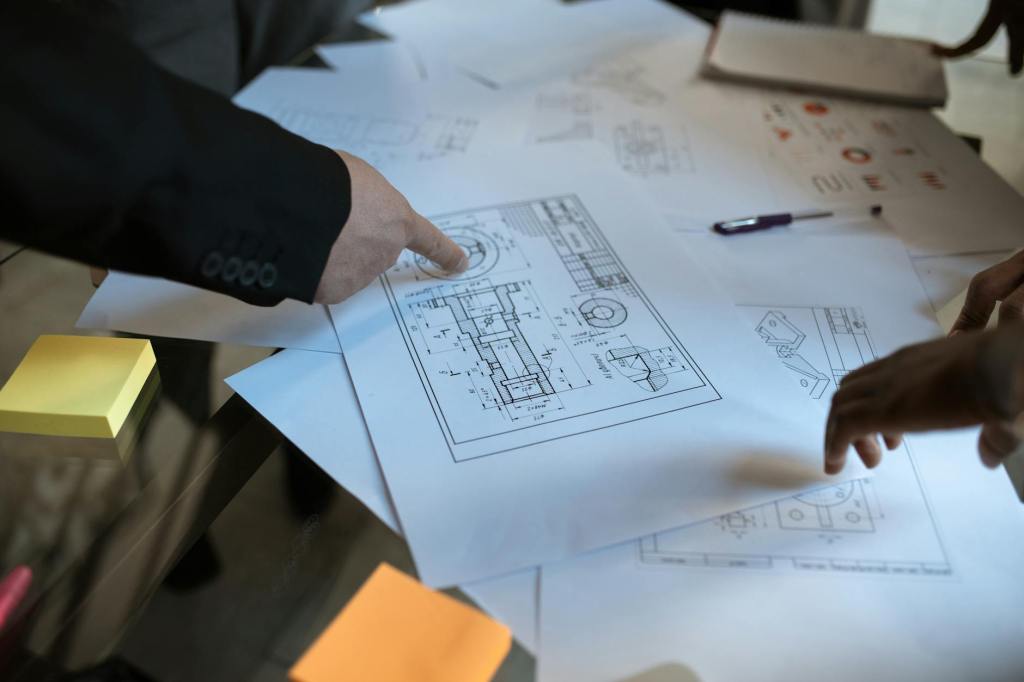
Drawing review – archaism or still an important tool in the Constructor’s hand?
Professional drawing review is key to ensuring consistency and quality in technical documentation. A diverse team and the application of three key principles: single source of information, inspiration from existing drawings, and full knowledge of the content, minimize the risk of errors and ensure the efficiency of technical designs. Read more
-
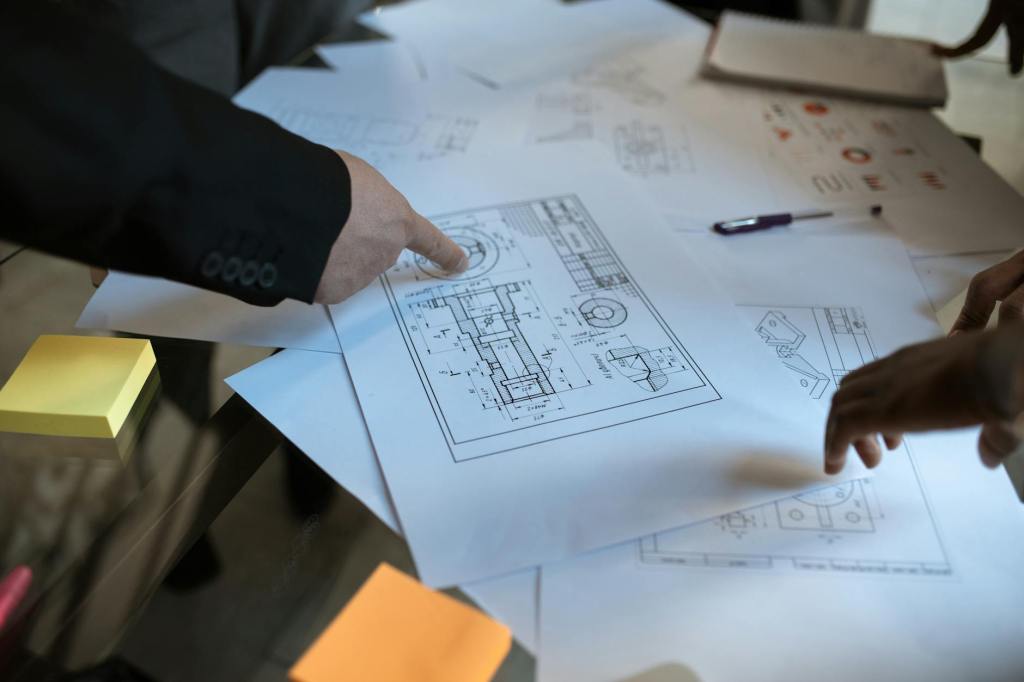
Przegląd rysunku – archaizm czy wciąż ważne narzędzie w ręku Konstruktora?
Profesjonalny przegląd rysunku jest kluczowy dla zapewnienia spójności i jakości dokumentacji technicznej. Zróżnicowany zespół oraz stosowanie trzech kluczowych zasad: jedno źródło informacji, inspiracja z istniejących rysunków, i pełna znajomość zawartości, minimalizują ryzyko błędów i zapewniają efektywność projektów technicznych. Read more
-

The joy of the creative process. Discover the satisfaction of building prototypes.
Building prototypes is very satisfying. With simple materials and working space, I can bring my ideas to life. The joy of creation is invaluable, inspiring me to experiment and be creative, which brings satisfaction and motivates me to continue working on the project. Read more
-

Radość z twórczego procesu. Odkryj satysfakcję z budowy prototypów
Budowanie prototypów jest bardzo satysfakcjonujące. Dzięki prostym materiałom i przestrzeni roboczej mogę realizować swoje pomysły. Radość z tworzenia jest nieoceniona, inspirując mnie do eksperymentów i kreatywności, co przynosi satysfakcję i motywuje do dalszej pracy nad projektem. Read more
-

6 kluczowych wskaźników projektowych (KPI)
Jak diagnozować kondycję projektu? Kiedy zaciągać „dług technologiczny”? Jak uwiarygadniać wartość przewidywaną? Kiedy używać wartości skumulowanych? Jakie są zasady budowania kluczowych wskaźników? Na te i kilka innych pytań odpowiadam w artykule. Read more

